



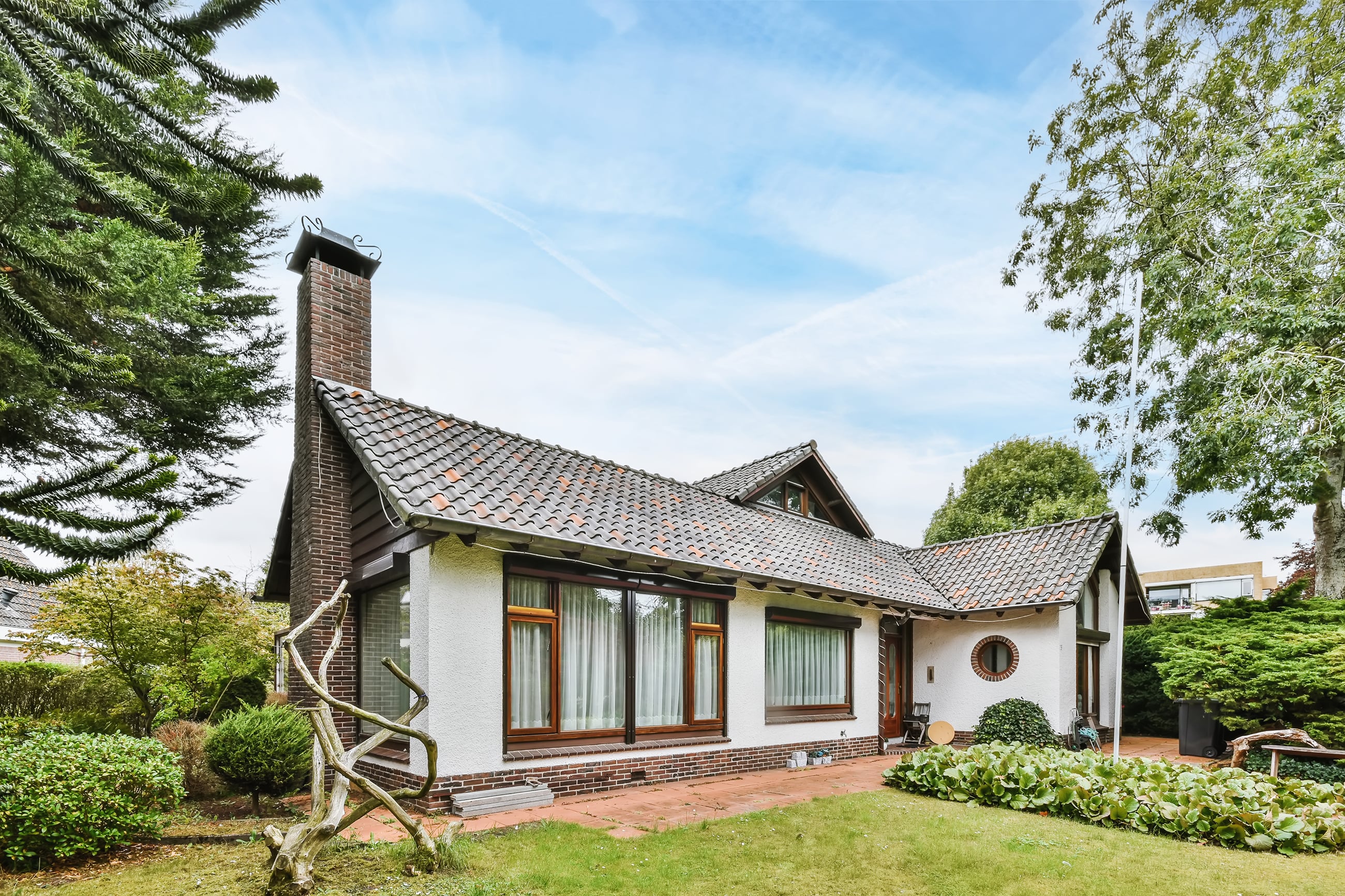
For buyers in Wilmington who find new construction in Leland or Hampstead too cookie-cutter, the neighborhoods of Carolina Place and Ardmore offer the antidote. These Bungalow Belts, developed largely between 1906 and the 1940s, are famous for their deep front porches, tapered columns, and walkable access to the Cargo District.
But buying a 100-year-old Craftsman home comes with a unique set of rules—and risks—that differ significantly from buying a modern home in Ogden.
Myth vs. Reality: The "Historic District" Fear
The biggest hesitation buyers have about these neighborhoods is the fear of the paint police.
Myth: If I buy in Carolina Place or Ardmore, I can’t change my front door color or build a fence without a city hearing.
Reality: Most of Carolina Place and Ardmore are on the National Register of Historic Places, but they are not always Local Historic Districts.
The Difference: The National Register is largely honorary. Unless you are using federal tax credits for a renovation, you generally have more freedom to renovate than you would in the strict downtown Local Historic District.
The Catch: Some streets do fall under specific overlay districts or have Demolition Delay ordinances (often 90 days). You need a Realtor who knows how to pull the specific zoning map for that specific address.
The "Invisible" Renovations
In these neighborhoods, the prettiest flips often hide the ugliest expensive problems. When touring a 1925 bungalow on Market Street or Pender Avenue, look past the subway tile and ask about the guts.
Knob-and-Tube Wiring: Many of these homes still have active knob-and-tube wiring hidden in the attic insulation. This can make the home uninsurable or require a $10,000+ rewire before closing.
The "Coal Grate" Quirk: You will see gorgeous fireplaces in almost every room. Warning: Most of these were built for burning coal, not wood. They are too shallow for a standard log. If you light a wood fire in a coal grate, you risk smoking out your house or starting a chimney fire. They are often best converted to gas logs.
Plumbing "Bellies": The cast iron waste pipes under these homes have been hanging there for a century. In our sandy soil, they often sag, creating bellies that cause chronic backups. A sewer scope inspection is mandatory here, not optional.
The "Sleeping Porch" Bonus
One distinct feature of the Ardmore bungalow is the sleeping porch—often a glassed-in side room originally designed to catch cross-breezes in the days before AC. In modern renovations, these make incredible home offices or sunrooms, but they are often uninsulated. If you plan to use it year-round, check if the HVAC has been properly extended to this zone, or budget for a mini-split system.
Your Next Step
Owning a piece of Wilmington history is a labor of love, but it shouldn't be a money pit. You need a guide who can spot a structural pier issue from the sidewalk.
Aspyre Realty Group specializes in listening to your vision for a historic home and communicating the realities of the renovation process. We help you distinguish between a charming project and a structural nightmare so you can invest with confidence. Let's walk through a few listings together and look at what the photos don't show.
Check out this article next