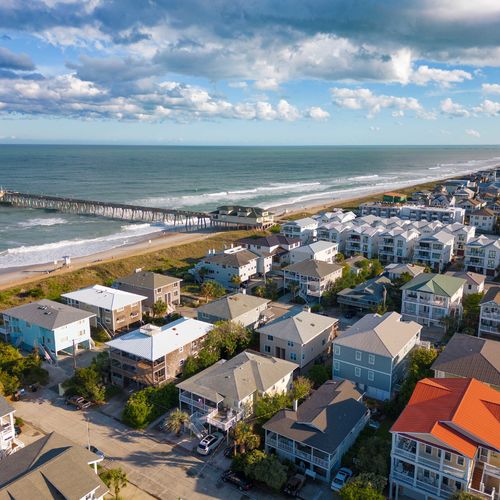



For modern buyers in New Hanover, Pender, and Brunswick counties, the Intracoastal Waterway and the sounds behind the barrier islands are synonymous with leisure—boating, fishing, and stunning sunsets. However, if you bought a waterfront property along Masonboro Sound or the backwaters of Topsail in the 1860s, you weren't buying a vacation spot; you were buying into a critical industrial zone.
Before the age of refrigeration, salt was the single most valuable commodity for survival, used to preserve meat and fish. During the Civil War, when the Union blockade strangled imports to Wilmington, the quiet estuaries of the Cape Fear coast transformed into a bustling engine of "white gold" production. Understanding this history adds a layer of depth and value to the land we now call home.
The "Salt Famine" and the Real Estate Response
In the mid-19th century, the geography of the coast dictated its value. The same features that make Masonboro Loop and Porters Neck desirable today—access to high-salinity tidal water protected from the ocean's fury—made them ideal for salt works.
The Process: It wasn't mining; it was boiling. Massive iron kettles were set up in masonry furnaces along the sound side of the islands. Sea water was pumped or carried into the kettles and boiled down until only the salt crystals remained.
The Scale: This was not a hobby. By 1864, the localized salt industry in the Wilmington area was producing millions of pounds of salt to feed the Confederate army.
The Locations: Evidence of these operations has been found from Myrtle Grove in New Hanover County all the way up to Surf City in Pender County. The topography required for a salt work—high ground near a deep channel—is often the exact topography required for a premium deep-water dock today.
Traces in the Landscape
For the sharp-eyed investor or history buff, traces of this industry remain embedded in the local real estate landscape.
Street Names: Keep an eye out for names like "Salt Works Lane" or "Old Salt Works Road" in areas like Bradley Creek. These aren't just quaint names; they are historical markers.
Archaeological value: On rare occasions, property owners clearing land near the water in Brunswick or Onslow counties still unearth fragments of the brick furnaces or the massive iron kettles used in the process. Owning a property with a documented salt work site is a unique conversation piece that anchors the home in the region's deep history.
Your Next Step
When you look at a property on the water in South Eastern NC, you are looking at a landscape that has served many purposes—from the industrial survivalism of the 1800s to the luxury lifestyle of today. The value of a property is often tied to its story.
We are experts in listening and communicating people's wants into homes that work for them—whether that means a modern condo with a slip for your boat, or a historic tract of land that tells the story of the Cape Fear. Let Aspyre Realty Group help you find a home with a legacy as rich as the view.
Check out this article next