


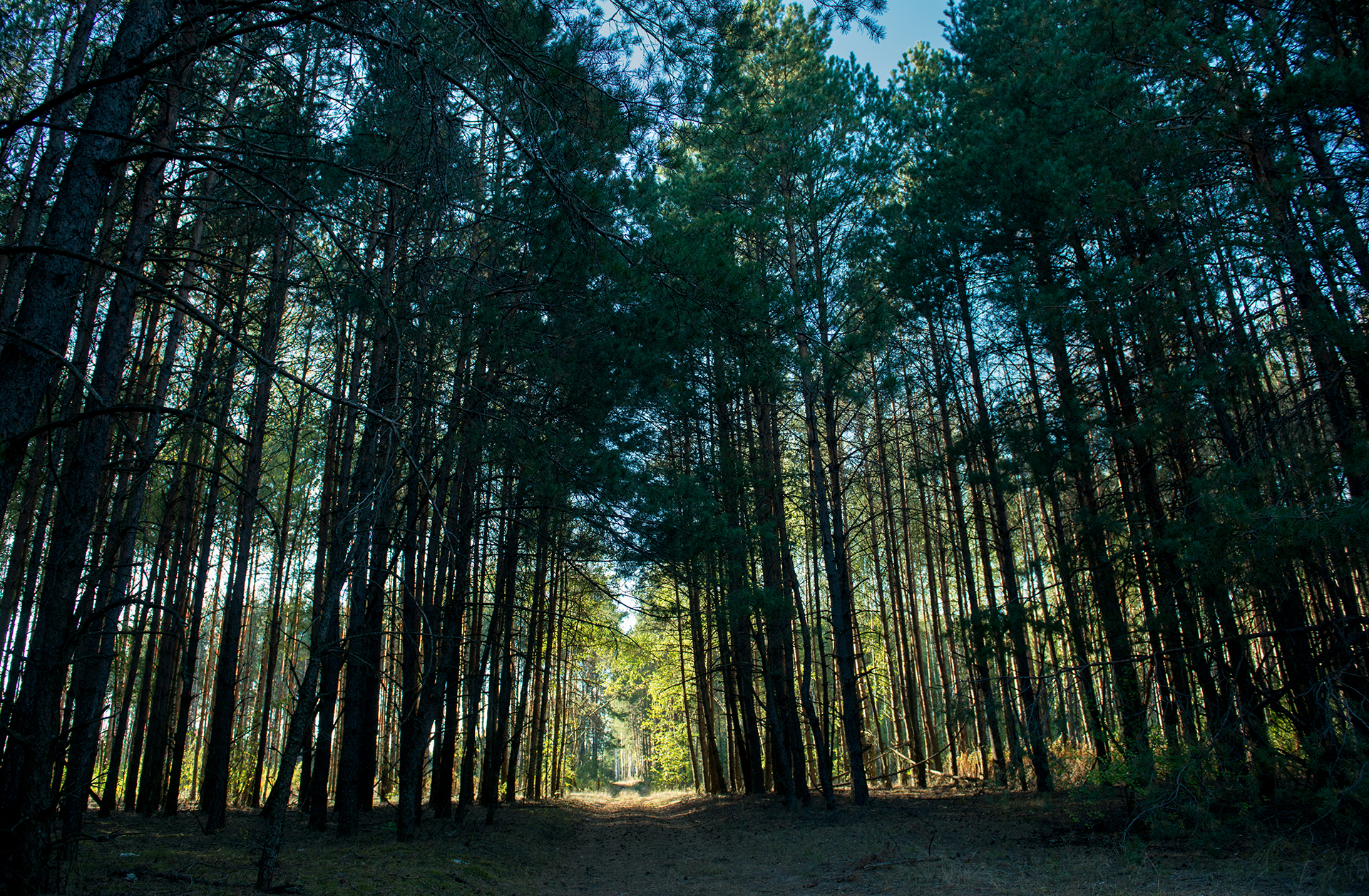
Drive down any major road in Wilmington, Hampstead, or Leland, and you are driving through a living history exhibit. The towering pines that line Highway 17 aren't just landscaping; they are the reason North Carolina’s economy—and its famous nickname—exists.
For buyers moving to South Eastern North Carolina from out of state, the term "Tar Heel" is often a mystery. Is it about sports? Is it an insult?
The answer lies in the sticky, sap-filled history of the Longleaf Pine, a tree that once covered 90 million acres of the South and made the port of Wilmington one of the wealthiest cities in the world.
The Naval Stores Capital of the World
In the 18th and 19th centuries, wooden sailing ships were the fighter jets of their day. To keep them afloat, the British Royal Navy needed massive amounts of Tar (to coat ropes) and Pitch (to seal hulls).
The Longleaf Pine was the perfect factory.
The Process: Workers (historically enslaved laborers) would "box" the trees—cutting a cavity into the trunk to collect the sticky resin. This resin was distilled into turpentine or burned in kilns to create tar.
The Nickname: The work was grueling and messy. Legend holds that workers (and later, Civil War soldiers from NC) had so much sticky residue on their boots that they were said to have "tar on their heels" and could hold their ground in battle.
By 1840, the region surrounding the Cape Fear River produced 96% of the naval stores for the entire United States.
The "Grass Stage" and Fire
If you buy land in Pender or Brunswick County, you might see what looks like a tuft of grass growing in the sandy soil. Do not mow it!
That is a baby Longleaf Pine.
The Fire Adaptation: Unlike other trees, the Longleaf stays in a "grass stage" for years, building a massive root system. It is uniquely adapted to survive frequent wildfires. In fact, without fire to clear out the scrub oaks, Longleaf forests die out.
The Ecosystem: This open, sun-drenched forest floor is why we have Venus Flytraps (native only to a 75-mile radius of Wilmington) and the endangered Red-Cockaded Woodpecker.
Where to Live Among the Pines Today
The "Naval Stores" industry eventually collapsed due to over-harvesting and the switch to steel ships, leaving only about 3% of the original Longleaf forest intact. However, conservation efforts in our region are bringing them back.
If you want to live near these majestic, needle-carpeted forests, here are your target zones:
- Pine Valley & Long Leaf Park (Wilmington): As the name suggests, this mid-town neighborhood was built around old-growth strands.
- Holly Shelter Game Land (Pender County): For those buying in Hampstead or Rocky Point, this massive 75,000-acre preserve offers a glimpse of what the "ancient" coast looked like.
- Boiling Spring Lakes (Brunswick): This area is home to the Green Swamp Preserve, one of the most biodiverse Longleaf savannas in the country.
Your Next Step
Understanding the land you live on adds a layer of richness to your investment. You aren't just buying a lot; you are becoming a steward of a historic ecosystem.
At Aspyre Realty Group, we love connecting clients with the unique heritage of our coast. We are experts in listening to your desire for a connection to nature and communicating that into homes that sit lightly on the land. Whether you are looking for a property near the trails of Carolina Beach State Park or acreage in Onslow County, let’s find your spot in the piney woods.
Check out this article next