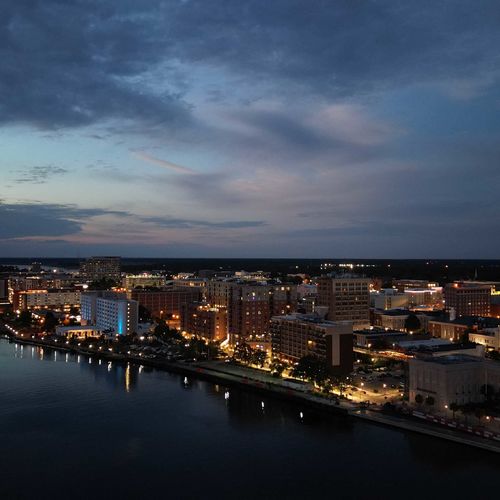




In New Hanover, Pender, and Brunswick counties, "winter" is a relative term. We don't often deal with blizzards, but we do deal with a unique trio of threats: Salt, Humidity, and the Occasional Hard Freeze.
While your friends up north are shoveling snow, your job is to protect your home from the silent corrosion of salt air and the sudden temperature drops that catch coastal homeowners off guard.
As we head into the winter of 2025, here is your specific checklist to keep your coastal investment safe until spring.
1. The "Coastal" Systems: Outdoor Showers & Irrigation
The most common insurance claim we see in February isn't a roof leak; it's a burst pipe in an outdoor shower.
Outdoor Showers: Even if it’s 60 degrees today, a hard freeze can hit overnight.
Action: Shut off the water isolation valve inside the house. Then, open the outdoor faucet handles to drain the remaining water. Leave them open all winter so any expanding ice has room to move without cracking the pipe.
Irrigation Systems: In Zone 8b, we don't always need a full "blow out" like they do in New York, but you must protect the backflow preventer.
Action: Turn off the system controller. Insulate the backflow preventer (that brass assembly usually in the front yard) with a dedicated thermal cover or old towels wrapped in plastic.
2. Hurricane Shutters: Don't "Set and Forget"
You used them in hurricane season (hopefully not too much!), but leaving them alone until next June is a mistake. Salt air fuses metal together.
The Risk: If you let salt sit in the tracks all winter, your shutters will seize up. When you try to close them for the first storm next year, they won't budge.
The Fix:
- Clean: Rinse all tracks and slats with fresh water to remove salt buildup. Use a mild soap/water mix—avoid harsh chemicals.
- Lubricate: Apply a silicone-based spray (do not use WD-40 or oil-based lubricants, which attract sand and grit) to the tracks and wheel carriers.
- Cycle: Open and close them fully once a month to keep the motor or hand-crank moving freely.
3. Landscaping: Protecting the "Tropicals"
Our Zone 8b climate allows for palms and oleanders, but a sustained freeze (below 25°F) can damage them.
Sago Palms: These are sensitive. If temps drop below 20°F, cover the crown with a frost cloth or burlap. If fronds turn yellow/brown after a freeze, wait until spring to prune them—the dead fronds actually protect the center heart of the palm.
Oleanders: These are generally hardy, but young plants need mulch. Apply 2–3 inches of pine straw or bark mulch around the base to insulate the roots.
Irrigation: Believe it or not, a well-hydrated plant handles frost better than a dry one. If a freeze is forecast, water your plants deeply 24 hours before the cold snap hits.
4. The Crawl Space Debate: Open or Closed?
If you have a traditional vented crawl space (common in older homes in Wilmington and Southport), the winter rule is simple.
The Action: Close the vents.
The Why: In summer, we want airflow to fight humidity. In winter, open vents let freezing air rush under your house, chilling your floors and risking your pipes. Close the vents now to trap the earth's natural heat under the home.
Note: If you have a sealed/encapsulated crawl space with a dehumidifier (common in newer builds in Leland), you don't need to touch anything. Just check that the dehumidifier is running and the drain line isn't frozen.
5. HVAC: The "Heat Strip" Smell
When you turn on your heat for the first time in December, you will likely smell burning dust.
Don't Panic: This is normal. It is dust burning off the emergency heat strips. It should dissipate in 20 minutes.
The Filter: Change your air filter now. In coastal NC, we run our systems year-round. A clogged filter restricts airflow, causing the system to work harder and driving up your electric bill during those chilly nights.
The Bottom Line
Winter maintenance in the Cape Fear region is about fighting moisture and corrosion. A Saturday afternoon spent lubricating shutters and draining pipes can save you thousands in repairs come spring.
At Aspyre Realty Group, we can recommend our trusted list of vendors—from crawl space encapsulators to irrigation specialists—who can handle this list for you if you'd rather stay warm inside.
Check out this article next