



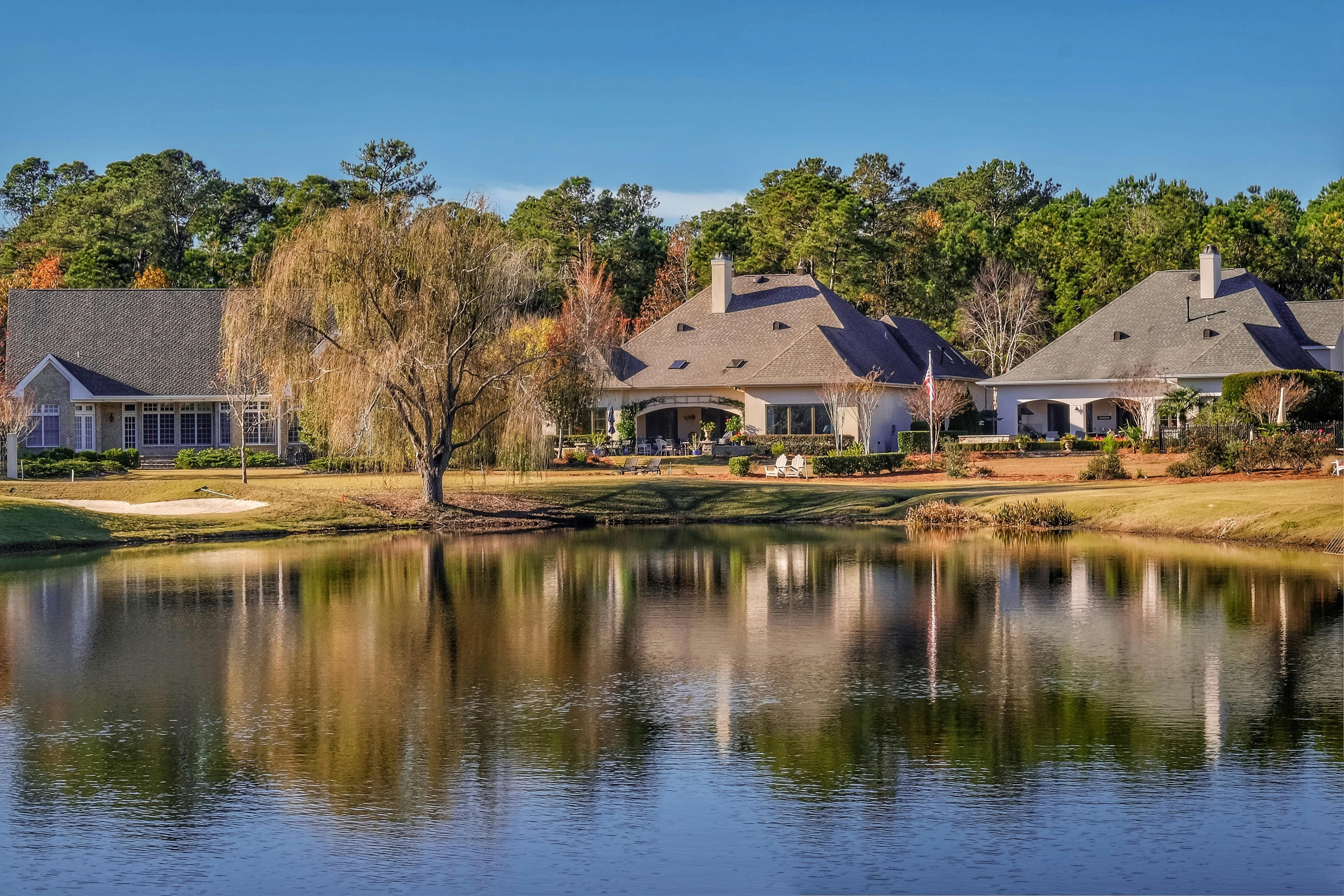
If you are listing your home in New Hanover or Brunswick County between December and February, you face a unique challenge. The azaleas aren't blooming, the crepe myrtles are bare, and the vibrant green of summer feels miles away.
But here is the secret to a winter sale: When the landscape is quiet, the details speak louder.
In the mild but gray winters of coastal North Carolina, curb appeal isn't about lushness; it's about contrast and warmth. Here is how to make your home the most inviting property on the block, even when the temperature drops.
1. The "Winter Green" Strategy
Most coastal lawns (Bermuda, Zoysia, and St. Augustine) go dormant and turn a straw-brown color in winter. This is normal, but it can look dreary.
The Fescue Advantage: If you have a Tall Fescue lawn (common in Hampstead and inland areas), it should be your star player. Keep it mowed at a high setting (~3 inches) to maintain a lush, carpet-like appearance. A "late winter" fertilizer application in February can make it pop with an emerald green that brown-lawn neighbors can't compete with.
The "Pot" Pop: Since you can't rely on flower beds, focus on containers. In Zone 8 (our zone), Pansies, Violas, and Snapdragons thrive in winter.
Pro Tip: Ditch the red and green "holiday" plants by January 1st. Switch to a palette of whites and purples (like white Cyclamen or purple Kale). This looks sophisticated and intentional, not like leftover Christmas décor.
2. Light It Up: The 2025 "Dark Sky" Trend
With the sun setting at 5:00 PM, your first showing often happens in the dark. In late 2025, outdoor lighting has shifted toward "Dark Sky" compliance.
What it means: Buyers are looking for "down-lighting" rather than harsh floodlights. Swap out old jarring security lights for fixtures that direct light downward, reducing glare and light pollution.
The Temperature Matters: Ensure all your exterior bulbs are Warm White (2700K–3000K). Cool blue-white LEDs (5000K) feel institutional and cold—exactly the opposite of the "cozy coastal" vibe you want.
The Path: Solar path lights are often too dim in winter. Consider low-voltage hardwired uplighting on architectural features like columns or that beautiful dormant Japanese Maple.
3. The "Soft Wash" Rule
In the humid South, green algae loves vinyl siding—even in winter.
The Risk: Pressure washing in near-freezing temperatures can be risky. Water can expand in cracks and damage siding or seals.
The Fix: Hire a pro for a "Soft Wash" on a mild day (above 50°F). This uses chemical agents rather than high pressure to kill the mold. A clean, white exterior against a gray winter sky looks crisp and well-maintained.
4. The Front Porch: "Organic Modern"
Winter is the season of texture. Since you can't sell "summery beach vibes," sell "winter warmth."
The Swap: Remove the generic "Welcome" mat and replace it with a high-texture Coir or Jute rug layered over a larger outdoor rug.
The Furniture: Don't leave the porch empty. A pair of teak rockers with a chunky knit weatherproof throw suggests that the porch is a year-round room.
Botanical Structure: Since deciduous shrubs are bare, use evergreens for structure. Camellias are the queens of the coastal winter—specifically Camellia japonica, which blooms in late winter when everything else is asleep. A large pot with a blooming Camellia by the front door is a showstopper.
The Bottom Line
Winter buyers are serious buyers. They aren't looking for a garden tour; they are looking for a well-cared-for home. A clean exterior, warm lighting, and a pop of living green signal that this home is loved, maintained, and ready for its next chapter.
At Aspyre Realty Group, we know how to style a home for the season. We can help you identify the "high-impact" tweaks that turn a gray winter listing into a hot commodity.
Check out this article next