


Elevated Living: Navigating New Home Construction in Exclusive Wrightsville Beach
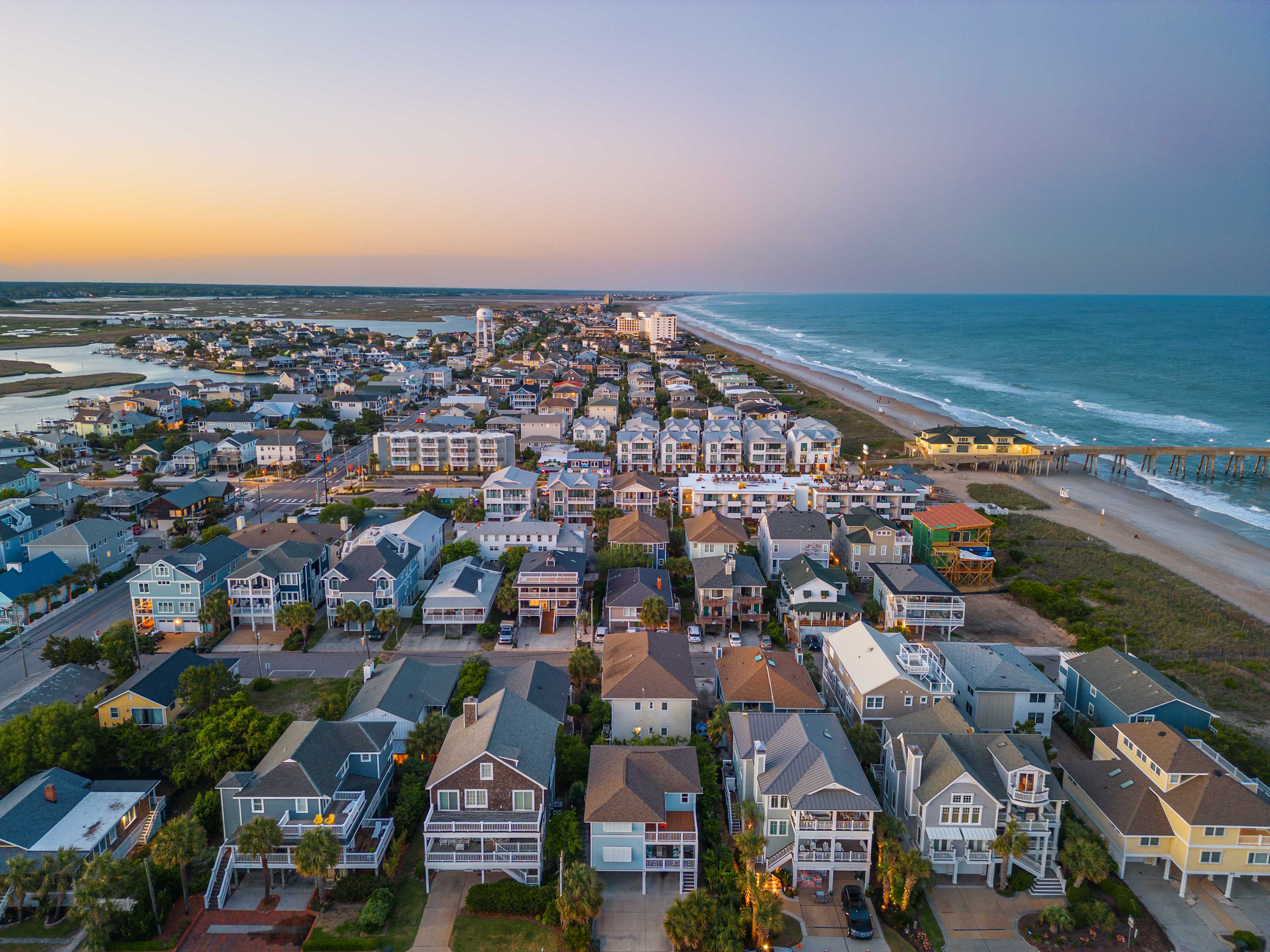
Wrightsville Beach (WB) remains one of North Carolina's most coveted and exclusive real estate markets. Because true vacant lots are exceedingly rare, the dynamic for new home construction on the island is overwhelmingly driven by redevelopment—the demolition of older cottages to build modern, hurricane-resilient, luxury residences.
For buyers seeking a custom dream home, sellers looking to maximize lot value, and investors capitalizing on high-end rentals, understanding the specialized nature of WB new construction is essential.
The New Construction Landscape: Redevelopment is King
Wrightsville Beach is largely a built-out barrier island community. Therefore, the vast majority of "new construction" involves tearing down older, smaller, or less-resilient structures. This trend is driven by:
Premium on Modern Resilience: Buyers demand homes built to the latest FEMA flood and hurricane standards, including elevated foundations, reinforced roofing, and impact-resistant windows. These features minimize insurance costs and maximize safety.
Maximizing Lot Potential: Older cottages often don't utilize the maximum footprint or height allowed by modern zoning. Redevelopment allows owners to build larger, taller, and more luxurious homes that capture better Intracoastal Waterway (ICW) or ocean views, commanding top-tier prices.
Luxury Living Standards: New builds cater to the high-net-worth demographic, featuring expansive floor plans, high-end custom finishes, elevators, and smart-home technology—amenities rarely found in older homes.
Pricing Insight: While standard new construction in the greater Wilmington area averages $290–$500+ per square foot, properties on the island, especially waterfront custom builds, often face a 15–30% higher construction cost premium due to specialized foundation work, stringent permitting, and luxury finishes.
The Regulatory Gauntlet: Permits and Restrictions
Building on a coastal barrier island is highly regulated, a fact that significantly impacts timelines and costs. All parties must be aware of the permitting requirements enforced by the Town of Wrightsville Beach Planning & Inspections Department and New Hanover County.
Mandatory CAMA Permits: Any development in an Area of Environmental Concern (AEC)—which includes virtually all oceanfront and sound-front properties—requires a Coastal Area Management Act (CAMA) Minor Development Permit. This ensures environmental compliance and adherence to setback regulations.
Strict Zoning & Height Rules: The maximum height for residential structures is capped (typically 40 feet from the street centerline). New construction must meticulously adhere to zoning setbacks, height restrictions, and coverage limits, often dictating the final home design.
Piling & Foundation Requirements: New homes require deep pilings or elevated concrete foundations to raise the main living space above the Base Flood Elevation (BFE), adding significant cost and complexity to the site preparation phase.
Investment Opportunities
The Tear-Down Strategy (Investment): Investors often target older, well-located homes on desirable lots. The value is almost entirely in the land. A successful investment involves efficiently managing the demolition, permitting, and custom-build process to maximize the final sale price or high-end rental income.
Premium Rental Market (Buyers/Investors): Newly built, highly resilient homes are extremely attractive as short-term vacation rentals. Their modern amenities, reliable systems, and compliance with all current codes lead to higher rental rates and occupancy year-round.
Luxury Custom Builds (Buyers): For the end-user buyer, new construction offers the ultimate control: a turn-key home designed perfectly for the coastal lifestyle with zero deferred maintenance, securing one of the most stable and appreciating real estate assets in North Carolina.
Check out this article next